How to Clean Sex Toys 2026: Complete Sanitizing Guide
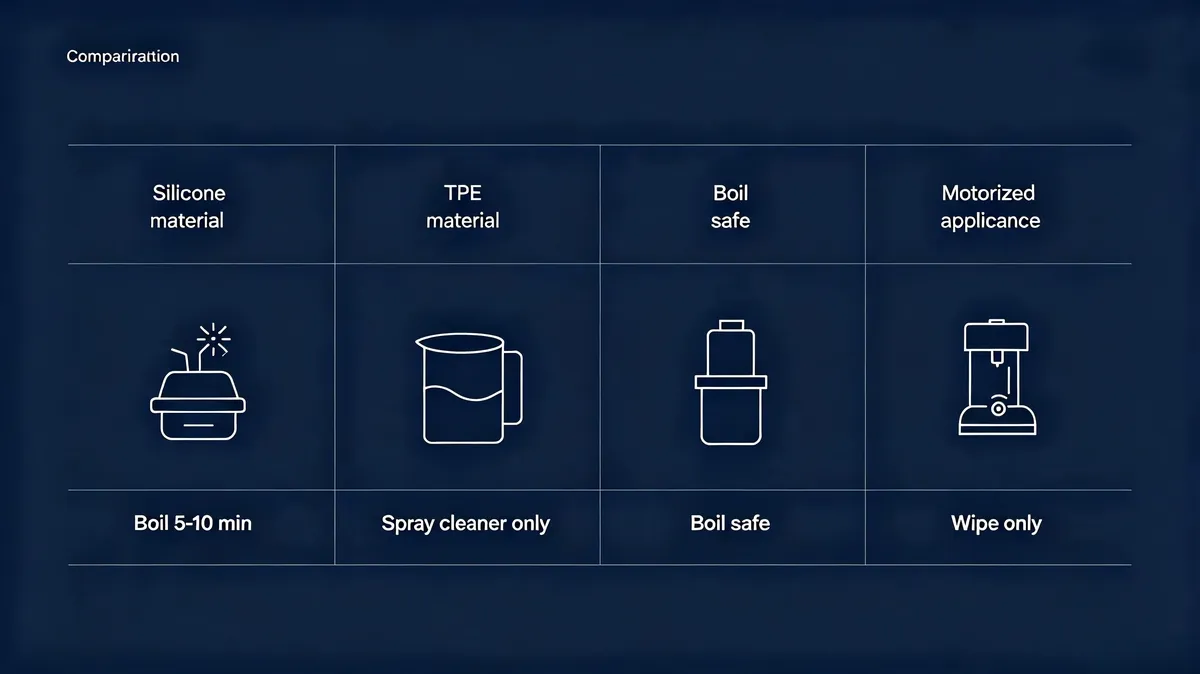
Silicone (non-motorized): boil 5-10 min or dishwasher top rack.
Silicone (motorized): toy cleaner spray or soap + water.
TPE/TPR: lukewarm water + toy cleaner only — never boil.
Glass/metal: boil, dishwasher, or soap + water.
Rule of thumb: clean before first use + after every use + between partners.
IntimateGuide has researched cleaning recommendations from over 150 threads on r/SexToys and reviewed guidelines from Planned Parenthood and WebMD to compile this guide.
1. Why Cleaning Matters 2. Step-by-Step Process 3. Sanitizing vs Cleaning 4. Toy Cleaner Comparison 5. Storage Tips 6. Common Mistakes 7. FAQ
1. Why Cleaning Matters — It's Not Just Hygiene
A 2017 study found that 70% of used vibrators carried potentially harmful bacteria including yeast, E. coli, and Staphylococcus. Even with solo use, bacteria from your own body multiply on warm toy surfaces within hours. The consequences: yeast infections, bacterial vaginosis, UTIs, and — for shared toys — STI transmission.
But there's a secondary reason: cleaning extends toy lifespan. TPE toys that aren't cleaned properly degrade 3x faster. Silicone toys stored dirty develop sticky surfaces and discoloration. A $119 vibrator should last years — poor cleaning cuts that to months.
🧪 Silicone (Non-Motorized)
Boil: 5-10 min in rolling water
Dishwasher: Top rack, no detergent
Toy cleaner: Spray, rinse, air dry
Avoid: Silicone lube (degrades silicone)
📱 Silicone (Motorized)
Toy cleaner: Best option
Soap + water: Damp cloth only, avoid seams
Never: Submerge, boil, or dishwasher
Pro tip: Remove batteries first
🧽 TPE / TPR
Lukewarm water only — hot water deforms TPE
Toy cleaner: Foaming spray, rinse thoroughly
Renewal powder: Apply after drying
Never: Boil, alcohol, bleach, or dishwasher
🪞 Glass & Metal
Boil: Safe for all glass/metal
Dishwasher: Any rack
Soap + water: Easiest of all materials
Check: Glass for chips before use
For a deep dive on material safety — including which brands use medical-grade silicone — see our complete materials guide.
2. Step-by-Step Cleaning Process
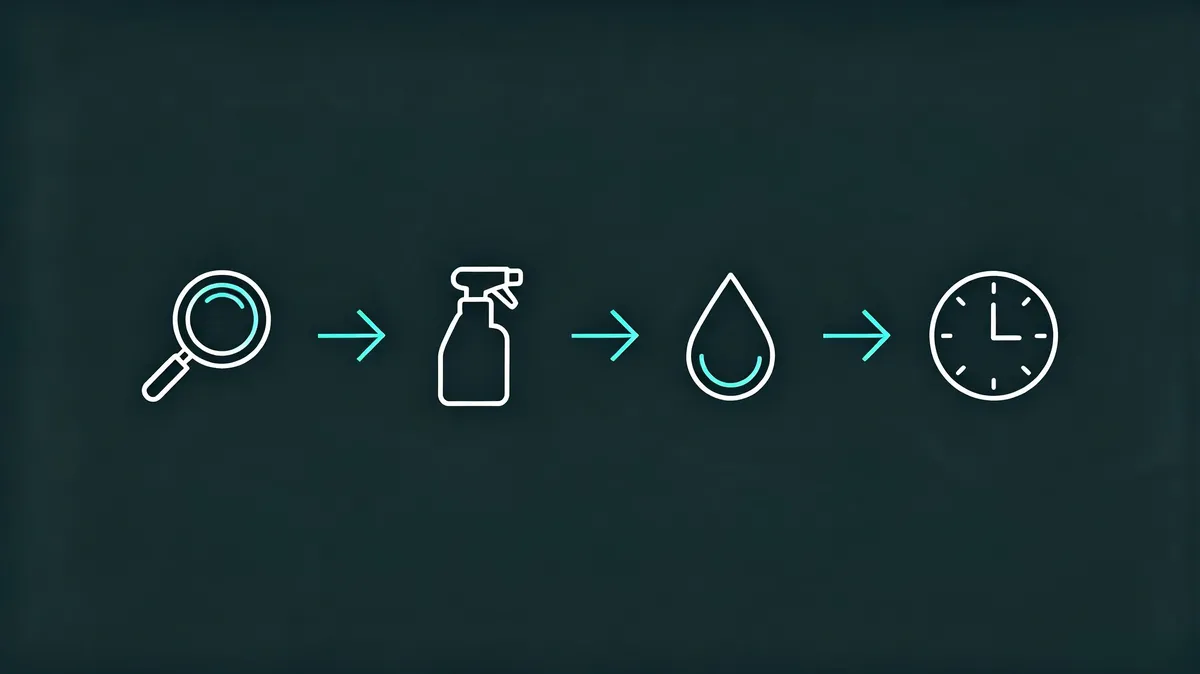
Pre-clean inspection. Check for cracks, chips, discoloration. A damaged toy harbors bacteria in crevices you can't reach. If your TPE toy has darkened or feels permanently sticky, replace it — TPE has a 6-12 month lifespan.
Remove batteries and disconnect. Even "waterproof" toys have seal degradation over time. Don't trust the IPX7 rating after 6+ months of use — clean motorized toys with a damp cloth instead of submerging.
Apply cleaner or warm soapy water. For silicone and glass: mild unscented soap is fine. For TPE: use a dedicated toy cleaner — soap residue remains in TPE pores. Spray directly, rub gently for 20-30 seconds, paying attention to ridges and seams.
Rinse thoroughly. Toy cleaner residue can cause irritation. Rinse under running water until no foam remains. For motorized toys: use a clean damp cloth to wipe away cleaner — never rinse under a tap.
Dry completely. Air dry on a clean lint-free towel. Never store a damp toy — moisture breeds bacteria faster than the original use did. For TPE: apply renewal powder once fully dry to restore the silky texture.
📺 Cleaning demonstration for silicone, TPE, and motorized toys.
3. Sanitizing vs Cleaning — Know the Difference
Cleaning removes surface dirt and oils. Sanitizing kills microorganisms. For insertable toys and toys shared between partners, sanitizing is non-negotiable.
• After anal use (before vaginal use)
• Between different partners
• After a yeast infection or UTI
• Before first use (factory residue)
• After illness or fever
The only reliable home sanitizing methods: boiling (silicone/glass/metal only), dishwasher sanitize cycle, or 10% bleach solution (rinse extremely thoroughly). UV light boxes claim sanitization but Reddit users report mixed results — UV can't penetrate crevices.
4. Toy Cleaner Comparison
There are hundreds of branded cleaners. Here are three that consistently rank well across Reddit and independent reviews:
- Lovense Toy Cleaner ($20) — Safe for TPE, silicone, rubber. Antibacterial. No rinse needed (though rinsing is still recommended). Compatible with all Lovense products. Check price →
- Sliquid Shine ($10) — Organic, glycerin-free, paraben-free. Safe for all materials. Needs rinsing.
- DIY alternative: Mild unscented castile soap + warm water. Cheapest option. Use only for silicone and glass — not TPE.
5. Storage — The Step Everyone Skips
Improper storage ruins more toys than use does. The two golden rules:
- Never let silicone touch silicone. Lower-quality silicones chemically react when in prolonged contact — they melt together. Store each toy in its own lint-free bag or compartment.
- Keep TPE away from everything. TPE is porous and absorbs chemicals from nearby materials. A TPE toy stored against a PVC toy will degrade within weeks.
For doll owners: after cleaning and powdering, store your doll in its original padded case or on a dedicated storage hook. See our doll care guide for detailed storage instructions including temperature and humidity ranges.
6. Common Cleaning Mistakes
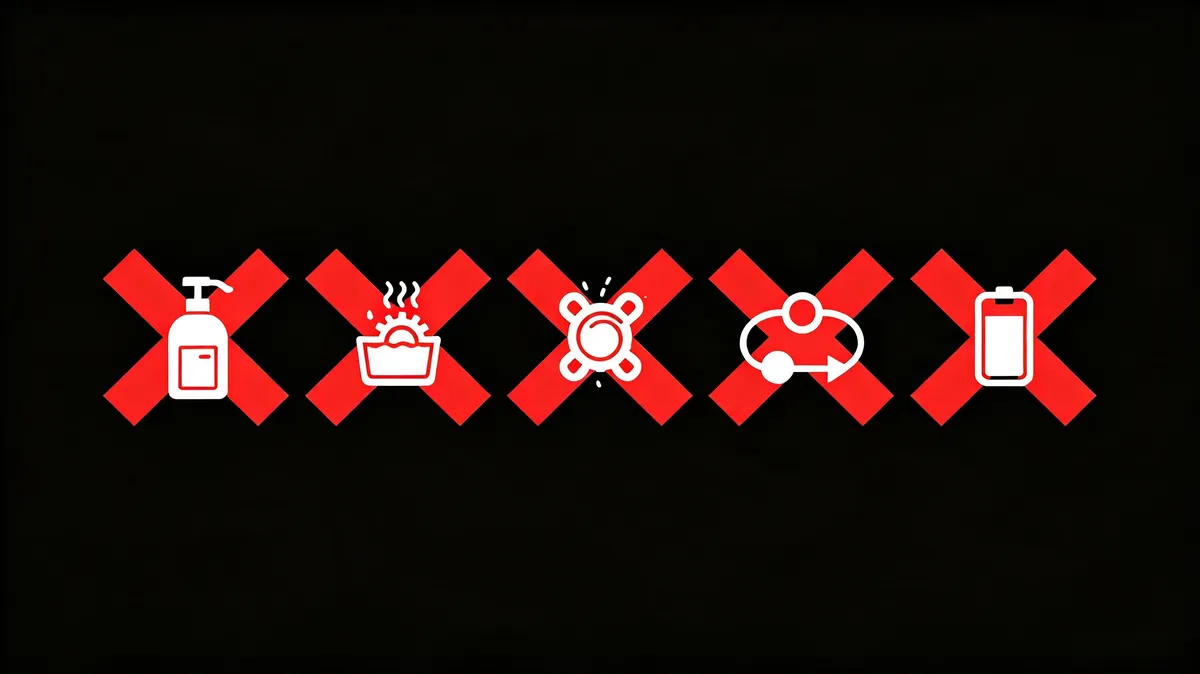
- Using hand sanitizer. Alcohol degrades silicone and destroys TPE. Never use hand sanitizer on any sex toy.
- Boiling motorized toys. Even "waterproof" ones can develop micro-cracks.
- Storing toys wet. This is how mold grows. Always air dry 30+ minutes.
- Anal-to-vaginal without sanitizing. Number one cause of recurring infections.
- Ignoring battery compartment. Clean contacts monthly with dry cotton swab.
Frequently Asked Questions
How often should I clean my sex toys?
Clean before first use, after every use, and if switching between partners or orifices. Even solo use requires post-use cleaning — bacteria multiply on toy surfaces within hours.
Can I boil silicone toys to sanitize them?
Yes — 100% platinum-cure silicone can be boiled for 5-10 minutes. Never boil TPE, jelly, or motorized toys. Remove batteries first. Air dry on a clean towel.
What's the best toy cleaner for TPE?
Use antibacterial foaming sprays labeled safe for TPE. Avoid alcohol-based cleaners which degrade TPE. Lovense Toy Cleaner ($20) is TPE-safe. Rinse thoroughly and air dry.
Can I use soap and water instead of toy cleaner?
Mild unscented soap + warm water works for silicone, glass, and metal. For TPE, use a dedicated toy cleaner — soap residue remains in TPE pores and can cause irritation.
How should I store toys after cleaning?
Store separately — silicone touching silicone can react. Use lint-free bags. Keep away from sunlight and heat. Never store TPE toys touching each other or while damp.