Silicone vs TPE vs TPR: Which Sex Toy Material Is Actually Safe?
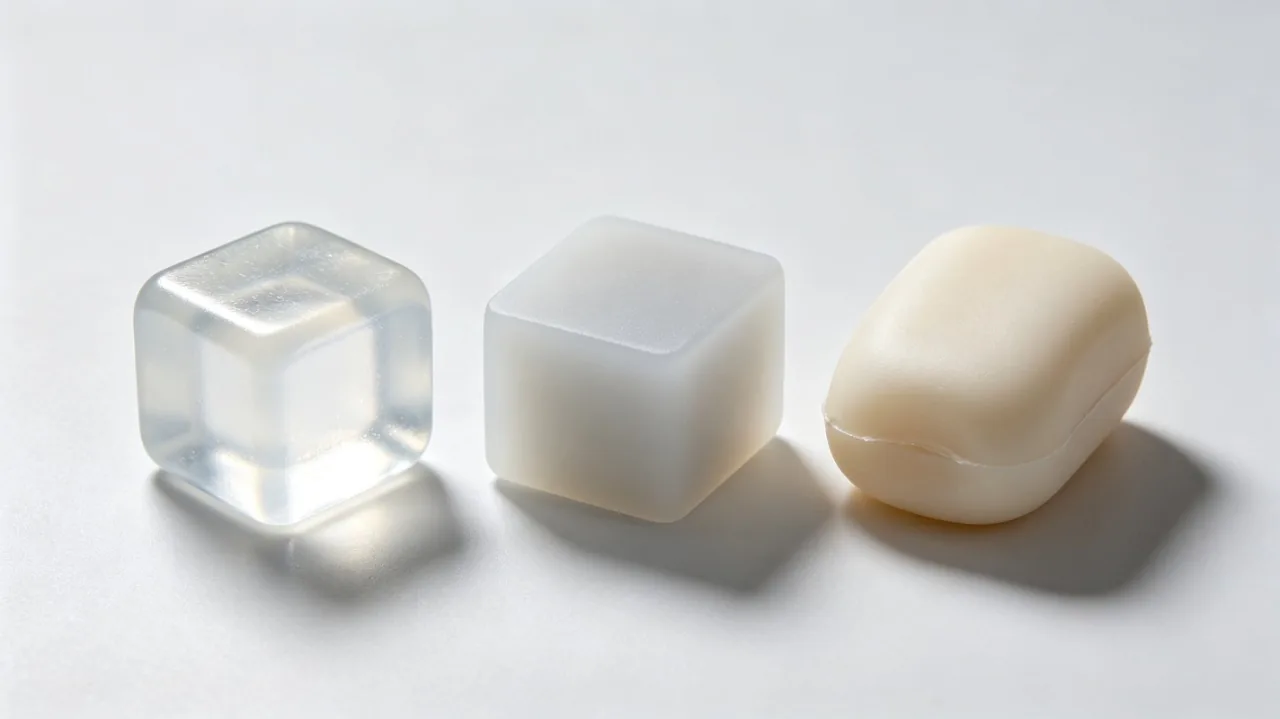
Silicone (platinum-cure): the only truly body-safe option — non-porous, boilable, lasts years.
TPE: cheap and soft, but porous — harbors bacteria and dies in 6-12 months.
TPR: same porous problem as TPE, just slightly more rubbery — often mislabeled as silicone.
Rule of thumb: for anything insertable, buy 100% platinum-cure silicone only.
1. The Three Materials 2. Safety Comparison 3. TPE vs TPR 4. How to Spot Real Silicone 5. Which to Choose 6. FAQ
1. The Three Materials, Explained
Most sex toys are made from one of three elastomers — and confusing them is the single biggest mistake buyers make. Here's what each actually is:
🩶 Silicone
A synthetic rubber that is non-porous and stable. Medical-grade (platinum-cure) silicone has no pores for bacteria to hide in, can be boiled to fully sterilize, and keeps its texture for years. It costs more because it's genuinely better.
✅ Body-safe — the gold standard
🧽 TPE (Thermoplastic Elastomer)
Soft, skin-like, and cheap — which is why budget toys and sex dolls use it. But TPE is porous: bacteria and mold can live inside the material and can't be fully washed out. It also breaks down over time.
⚠️ Porous — not for insertable use
🧴 TPR (Thermoplastic Rubber)
In the same elastomer family as TPE, just with a slightly more rubbery feel. Same core flaw: porous. TPR is frequently mislabeled as silicone by cheap sellers — a major source of confusion.
❌ Porous — avoid for anything insertable
For the full breakdown of every material (including glass and metal), see our complete sex toy materials guide.
2. Safety Comparison
The safety difference comes down to one word: porosity. Non-porous materials (silicone, glass, metal) can be fully cleaned and sterilized. Porous materials (TPE, TPR, jelly, PVC) absorb bacteria that you can never fully wash out.
| Silicone | TPE | TPR | |
|---|---|---|---|
| Porous? | No | Yes | Yes |
| Can be boiled? | Yes | No | No |
| Body-safe (insertable)? | Yes | No | No |
| Lifespan | Years | 6-12 months | 6-12 months |
| Feels like | Smooth, slightly firmer | Soft, skin-like | Rubbery |
| Typical price | $$$ | $ | $ |
3. TPE vs TPR — What's Actually Different?
This is the question people get stuck on, and the honest answer is: very little. TPE and TPR are both thermoplastic elastomers. The practical differences are:
- Texture: TPE is softer and more skin-like; TPR is slightly firmer and more rubbery.
- Feel: TPR can feel "grippier" and is more common in sleeves and strokers.
- Safety: Neither is body-safe for insertable use — both are porous.
The bigger issue: sellers know "silicone" sells, so cheap TPE and TPR products are often falsely labeled as silicone. If a "silicone" toy is suspiciously cheap, soft, and has a slight chemical smell, it's almost certainly TPE or TPR.
4. How to Spot Real Silicone (vs Fake)
Here's how to tell if a toy is genuinely platinum-cure silicone or a TPE/TPR imposter:
- Price: real silicone toys are rarely dirt-cheap. A $10 "silicone" toy is a red flag.
- Smell: silicone is odorless. A chemical or rubbery smell means TPE/TPR/PVC.
- Heat test (on an inconspicuous spot): silicone resists heat and won't melt; TPE and TPR soften or burn.
- Labeling: reputable brands say "100% platinum-cure silicone" — not "silicone blend," "sil-a-gel," or just "body-safe material."
- Brand: stick to known manufacturers with published material specs.
For a full list of brands that use genuine medical-grade silicone, see our complete sex toy materials guide.
5. Which Material Should You Choose?
- Insertable toys (vibrators, dildos, plugs): 100% platinum-cure silicone only. Nothing else is worth the infection risk.
- External toys (wands, bullets): silicone is still best, but non-inserted TPE sleeves are more tolerable if cleaned well and replaced often.
- Strokers / sleeves: TPE/TPR is common here and acceptable with proper cleaning — but expect a 6-12 month lifespan.
- Sex dolls: TPE dolls are the budget standard (see our doll guide); silicone dolls cost more but last longer.
If you're ready to buy, start with 100% platinum-cure silicone toys from trusted brands. Our top pick is the Lovense Lush 3 — genuine body-safe silicone and app-controlled. Browse our app-controlled toy picks for more silicone-only options.
Frequently Asked Questions
Is silicone the safest sex toy material?
Yes. 100% platinum-cure silicone is non-porous, body-safe, and can be fully sanitized by boiling. Avoid "silicone blends" and cheap jelly toys that are actually TPE or TPR.
Is TPE safe for sex toys?
TPE is porous, so it cannot be fully sanitized and harbors bacteria. It's cheap and soft but degrades within 6-12 months. For insertable toys, silicone is strongly preferred.
What is the difference between TPE and TPR?
Both are thermoplastic elastomers and share the same core problem — porosity. TPR is slightly more rubber-like; TPE is softer. Neither can be boiled or fully sanitized, and both are sometimes mislabeled as silicone.
How can I tell if a toy is real silicone or fake?
Real silicone is odorless, heat-resistant, and costs more. A chemical smell, very low price, or "silicone blend" labeling means TPE/TPR. Buy from reputable brands that state "100% platinum-cure silicone."
Which material lasts longer, silicone or TPE?
Silicone lasts years; TPE and TPR degrade within 6-12 months and must be replaced. Silicone costs more up front but is cheaper over time.