TPE vs Silicone Dolls 2026: Which Material Lasts Longer
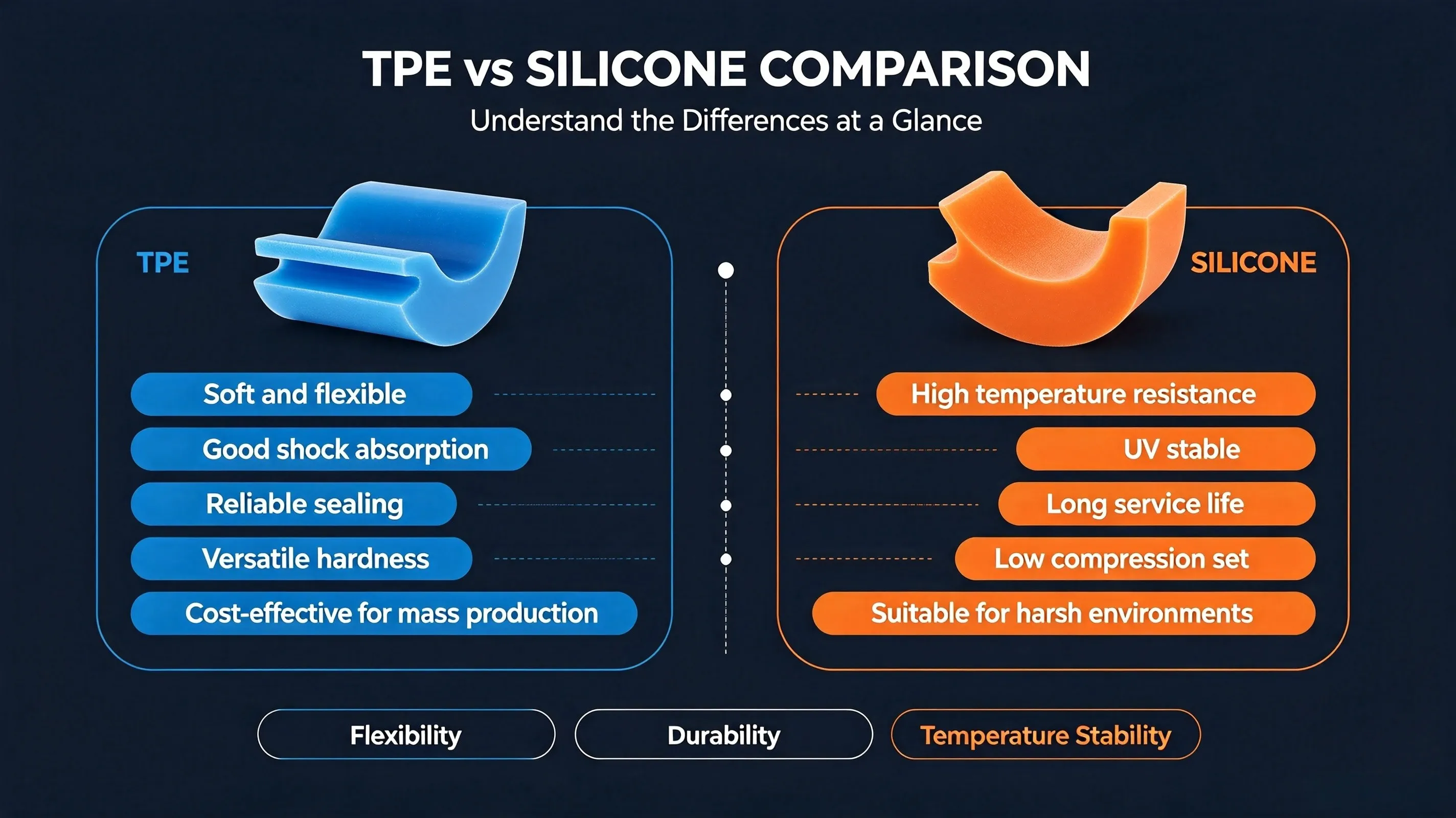
TPE = softer + cheaper, but higher maintenance. Silicone = more durable + hygienic, but pricier. For most first-time buyers, a TPE doll (from about $1,700) delivers the best realism-per-dollar. If you want a doll that lasts 5+ years with minimal care, silicone (from about $2,500) is the better long-term investment.
1. The Core Difference 2. Feel & Realism 3. Cost & Lifespan 4. Care & Hygiene 5. FAQ
IntimateGuide has researched doll materials using manufacturer data and community experience from r/SexDolls. This guide compares the two dominant materials — TPE and silicone — so you can buy the right doll the first time.
1. The Core Difference
Nearly every modern sex doll is made from one of two materials: TPE (thermoplastic elastomer) or silicone. Both feel far more lifelike than vinyl or rubber, but they behave very differently over time.
TPE is softer and stretchier — closer to real skin in compression and warmth. The trade-off is that TPE is porous, meaning it has microscopic holes that trap moisture, oils, and bacteria. It needs regular cleaning, thorough drying, and renewal powder to stay in good shape.
Silicone is firmer and slightly less "squishy," but it is non-porous — bacteria cannot penetrate the surface. It is more hygienic, easier to clean, and far more durable. The trade-off is price: silicone dolls typically cost $1,000+ more than equivalent TPE models.
2. Feel & Realism
For pure tactile realism, TPE usually wins. It compresses like real tissue and warms to body temperature quickly, which is why most "real feel" dolls under $2,000 use it. If the physical sensation matters most to you, TPE is the stronger choice.
Silicone feels firmer and cooler to the touch, though premium silicone dolls close the realism gap with softer blends and internal heating. Where silicone clearly wins is detail retention — silicone holds fine facial and skin texture far longer than TPE, which tends to soften and blur with repeated cleaning.
3. Cost & Lifespan
Realistic entry points in 2026: TPE dolls start around $1,700–$1,900 (for example, the Irontech Real Lady 165cm at $1,699 or WM Dolls 166cm at $1,899), while silicone dolls start around $2,500 (Sino-Doll 158cm at $2,499). That $800–$1,000 gap buys you durability.
A well-cared-for TPE doll lasts 1–3 years. A silicone doll, cleaned and stored properly, can last 5–10 years or more. If you plan to keep the doll long-term, silicone's higher upfront cost often works out cheaper per year. Browse the full range in our complete sex doll guide.
4. Care & Hygiene — Where the Materials Really Diverge
Both materials need cleaning after every use, but the effort level differs. TPE requires thorough drying (moisture trapped in its pores causes mold and degradation) and periodic renewal powder to keep the surface silky and non-sticky. Silicone needs less — it does not absorb moisture, so a wash and air-dry is enough.
Use a cleaner explicitly marked safe for TPE and silicone. A pH-balanced antibacterial cleaner like the Intimate Earth Green Foaming Cleaner works for both, and the Lovense Toy Cleaner is another body-safe option. Avoid alcohol-based cleaners on TPE — they dry out and crack the material. For a deeper dive on what makes a material body-safe, see our complete materials safety guide.
🔗 Related Guides
🧍 Sex Doll Guide — The full pillar article
🧪 Materials Safety Guide — Silicone vs TPE vs glass explained
🔬 Silicone vs TPE vs TPR (Toys) — Same materials, smaller toys
🛒 Sex Doll Products — Dolls and care accessories
IntimateGuide has researched doll materials using community experience from r/SexDolls. For background on the materials themselves, see Wikipedia's TPE overview and Wikipedia's silicone overview.
Frequently Asked Questions
Which is better, TPE or silicone?
TPE wins on softness and price; silicone wins on durability and hygiene. Pick based on your priority.
How long does a TPE doll last?
1–3 years with proper care. Silicone lasts 5–10+ years.
Is TPE safe?
Yes, when cleaned after every use and dried thoroughly. TPE is porous, so drying is essential.
Same cleaner for both?
Yes — use a pH-balanced antibacterial toy cleaner safe for TPE and silicone. Avoid alcohol on TPE.